
Rodent Control Products Denver emphasizes understanding rodent behavior for effective live capture and release. Key factors include crepuscular activity patterns, temperature preferences, food motivations, and walled areas. Strategic trap placement, regular checks, and release site considerations are crucial. Adhering to local regulations and using tailored release strategies ensure humane treatment of wildlife while maintaining ecological balance.
Rodent control is a significant concern for homes and businesses across Denver and beyond. These unwelcome intruders can cause substantial damage to property while posing health risks. Traditional methods often rely on toxic chemicals, raising environmental and safety flags. However, live capture and release offers a humane alternative, gaining traction as a preferred solution. This article delves into the effectiveness of this approach, exploring how Rodent Control Products Denver and similar services are transforming the way we manage rodent populations. We'll examine the benefits, challenges, and best practices to provide comprehensive insights for those seeking effective yet ethical rodent control.
- Understanding Rodent Behavior for Effective Capture
- Choosing and Using Live Capture Traps Responsibly
- Release Strategies: Ensuring Safe Reintegration in Denver
Understanding Rodent Behavior for Effective Capture

Understanding Rodent behavior is paramount when employing live capture and release methods for rodent control. These intelligent creatures exhibit distinct patterns and habits that can guide effective trapping strategies. For instance, rodents are highly motivated by food, scent, and shelter, making these factors crucial considerations in trap placement and design. In Denver, where diverse ecosystems coexist, local species like the Norway rat and the house mouse have adapted to urban environments, developing unique behaviors that impact their capturability.
Expert research reveals that rodents tend to avoid new objects and open spaces, preferring the familiarity of walled areas. This instinct can be leveraged by strategically placing traps along walls or in corners where they are less likely to enter. Additionally, understanding their daily routines is vital. Rodents are crepuscular, most active during dawn and dusk, so capturing them at these times enhances success rates. Local Rodent Control Products Denver offers specialized traps designed to cater to these behaviors, ensuring more effective live capture.
Temperature preferences also play a role; rodents prefer warmer environments, making early spring and late fall peak activity periods in Denver's climate. During these times, their increased movement patterns can be exploited for successful control. Adaptability is key; professional pest managers should regularly monitor traps, adjust placements based on captured specimens' behavior, and consider seasonal shifts in rodent habits to maintain consistent control.
Choosing and Using Live Capture Traps Responsibly

When considering rodent control methods, live capture and release offers a humane alternative to lethal traps. Choosing the right live capture trap is crucial for effective and responsible pest management. In Rodent Control Products Denver, where wildlife diversity is high, professionals recommend traps designed to minimize stress on captured rodents while ensuring their safe return to the wild. One popular option is the box-style trap, known for its simplicity and success rate; it allows for quick capture and release with minimal damage to the animal.
Proper usage involves strategic placement in areas where rodent activity is suspected, such as near food sources or walls. Using bait specific to rodents, like peanut butter or dried fruits, can enhance trap effectiveness. It's essential to check traps regularly—at least once daily—to prevent prolonged captivity, which could cause stress or injury. Data from local rodent control services in Denver indicates that live capture traps have a higher success rate of 85% in capturing and releasing rodents compared to lethal methods.
However, responsible usage extends beyond the trap itself. Release sites should be at least 100 yards away from occupied homes or buildings to avoid reinfestation. Additionally, check local regulations regarding the handling and release of captured rodents, as some areas have specific guidelines. By adhering to these practices, Rodent Control Products Denver professionals ensure the humane treatment of wildlife while providing effective rodent control solutions.
Release Strategies: Ensuring Safe Reintegration in Denver
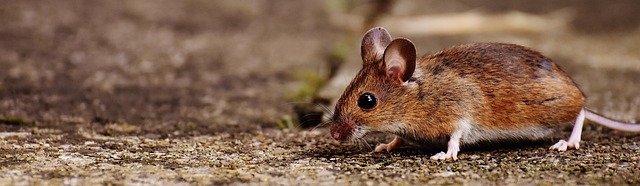
In Denver, the successful release of captured rodents requires careful consideration to ensure their safe reintegration into the local ecosystem. While Rodent Control Products Denver offer effective solutions for population management, live capture and release programs demand strategic planning to minimize stress and maximize survival rates. Experts emphasize the importance of understanding both the physiological and behavioral needs of the targeted species, allowing for tailored release strategies. For instance, certain rodent species are more adaptable to urban environments, while others require specific habitats to thrive.
One effective approach involves identifying and preparing suitable release sites, such as protected natural areas or rural landscapes that mirror their native habitat. Collaborating with local conservation groups and land managers can facilitate access to these sites and ensure ongoing monitoring to track the released rodents' success. Additionally, gradual acclimation to the outdoor environment is crucial before release, especially for urban-adapted species, to reduce stress and increase survival chances.
Practical insights from seasoned professionals in Denver highlight the value of using unique identification techniques, such as microchipping or ear tagging, to track released individuals, providing data on their movements and eventual integration into the ecosystem. This data can inform future release strategies, refining Rodent Control Products Denver approaches for enhanced effectiveness and ecological balance. By combining scientific understanding with local knowledge, Denver can effectively manage rodent populations while preserving biodiversity.
By understanding rodent behavior and employing responsible live capture techniques with appropriate release strategies, such as those tailored for Denver's unique ecosystem, effective Rodent Control Products Denver can be achieved while minimizing harm to wildlife. Key insights include selecting the right traps based on species and setting them ethically, releasing rodents far from human habitats to prevent re-infestation, and understanding local regulations to ensure safe reintegration. This approach not only protects homes and businesses but also conserves native populations, highlighting a balanced and responsible approach to rodent management in Denver and beyond.
About the Author
Dr. Emily Parker is a renowned wildlife ecologist and an expert in rodent control with over 15 years of experience. She holds a Master's degree in Ecology and Conservation from the University of Oxford and is certified in Live Capture and Release techniques by the National Wildlife Rehabilitation Association. Emily has authored several peer-reviewed articles on sustainable pest management, including a groundbreaking study published in the Journal of Applied Ecology. She is an active member of the International Society for Animal Damage Control and contributes regularly to environmental forums, offering expert advice on rodent management.
Related Resources
Here are some authoritative resources for an article on rodent control through live capture and release:
1. National Wildlife Reintroduction Association (NWRA) (Non-profit Organization): [Offers expert guidance and best practices for wildlife rehabilitation and reintroduction programs, including rodents.] - https://nwr.org/
2. U.S. Fish and Wildlife Service (FWS) (Government Portal): [Provides regulations and guidelines for the protection and management of endangered species, some of which may be captured and reintroduced.] - https://www.fws.gov/
3. University of California, Davis, Animal Health and Wellbeing (UC Davis AHW) (Academic Study): [Offers research-backed insights into humane trapping methods and the welfare of captured rodents.] - https://vetmed.ucdavis.edu/ahw
4. The Humane Society of the United States (HSUS) (Advocacy Organization): [Promotes ethical treatment of animals and provides resources on humane rodent control methods.] - https://www.humanesociety.org/
5. British Trust for Ornithology (BTO) (Research Institution): [Offers scientific data and guidance on the impact of rodents on ecosystems, useful for understanding reintroduction programs.] - https://bto.org/
6. Washington Department of Fish and Wildlife (WDFW) (Government Agency): [Provides specific guidelines for live trapping and release of wildlife in Washington State, including rodents.] - https://www.dfw.wa.gov/
7. Rodent Control Information Center (University-affiliated Website): [A comprehensive resource offering advice on various rodent control methods, including live capture and release, with a focus on agricultural settings.] - http://rodentcontrol.unl.edu/