
Early identification of rodent presence through signs like droppings, tracks, and gnawed materials is key to effective Rodent Control Products Denver. Regular inspections in prone areas prevent infestation. Sanitation involves protective equipment use, humane trapping, and disinfectant cleaning. Sealing entry points and maintaining cleanliness reduce reinfestation. Professional services employ integrated pest management (IPM) methods tailored to Denver's challenges for long-term protection.
Rodent control is a critical aspect of maintaining a healthy and safe environment, especially in urban areas like Denver. The presence of rodents can lead to significant health risks, property damage, and unsanitary conditions. Their droppings not only cause allergic reactions but also serve as vectors for various diseases. This article delves into the comprehensive solution for rodent control, focusing on droppings removal and sanitation techniques. We will explore effective methods, best practices, and the role of professional rodent control products Denver has to offer, providing valuable insights for both homeowners and property managers.
- Identifying Rodent Dropping Signs and Sources
- Safe Removal and Sanitation Techniques with Denver's Best Practices
- Preventing Future Infestations: Long-Term Solutions for Rodent Control Products Denver
Identifying Rodent Dropping Signs and Sources
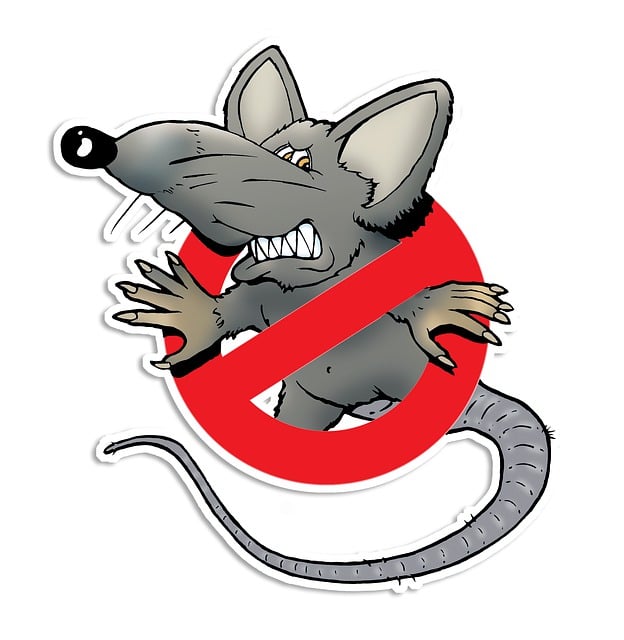
Identifying signs of rodent presence is a critical first step in any effective Rodent Control Denver efforts. Rodents leave behind distinct droppings as evidence of their activity, offering valuable clues about their behavior and hiding places. Look for small, rod-shaped feces ranging from dark brown to black in color. These droppings often accumulate along walls, beneath structures, and in hard-to-reach areas. Pay close attention to areas where food is stored or accessible, as rodents are drawn to easily available sustenance sources.
Additionally, tracks left behind by rodents on dusty surfaces can provide crucial information about their movements. Look for small, shoe-print-like markings that reveal the direction and frequency of their travel routes. Chewed wires, insulation, or wooden structures are also telltale signs indicating rodent gnawing and activity. If you notice any of these indicators, it’s essential to promptly address the issue with professional Rodent Control Products Denver services.
Early detection is key in minimizing damage and preventing further infestation. Regular inspections, especially in areas prone to attracting rodents like kitchens and basements, can help identify potential entry points and sources of food that may be luring them in. By understanding these signs and actively monitoring for them, property owners can take proactive measures before rodent populations escalate, ensuring a safer, healthier living environment.
Safe Removal and Sanitation Techniques with Denver's Best Practices

Rodent droppings removal and sanitation require a meticulous approach to ensure both public health and environmental safety. In Denver, where rodent control is a year-round concern, adopting best practices is essential for effective management. The first step involves identifying and understanding the types of rodents prevalent in the area, such as mice and rats, each with distinct habits and droppings characteristics. Unlike mouse droppings, which are typically smaller and uniform, rat droppings are larger and can carry diseases like leptospirosis and salmonellosis.
Safe removal necessitates personal protective equipment (PPE), including gloves, masks, and eye protection. Denver's health department recommends using approved rodent control products, such as those containing active ingredients like antikoagulants, to humanely trap and eliminate rodents. Professional services specializing in rodent control products Denver can ensure proper disposal of contaminated materials, including droppings, to prevent the spread of diseases. For areas with persistent issues, implementing preventive measures, such as sealing entry points and maintaining sanitation, is crucial for long-term success.
Sanitation plays a pivotal role in post-removal care. All surfaces affected by rodent presence should be thoroughly cleaned with disinfectants that kill pathogens. In Denver's climate, it's important to address potential mold growth resulting from water damage caused by rodents. Regular inspections and prompt remediation are key to maintaining a rodent-free environment. Data indicates that continuous monitoring and rapid response can reduce reinfestation rates by up to 70%, underscoring the importance of adhering to Denver's best practices for both removal and sanitation.
Preventing Future Infestations: Long-Term Solutions for Rodent Control Products Denver

Rodent control is not merely a short-term solution; it demands a strategic approach to prevent future infestations. In Denver, where rodent control products are readily available, understanding long-term strategies is crucial. The first step lies in identifying and sealing entry points. Rodents are adept at finding small gaps and openings, so regular inspections are essential. Homeowners and property managers should focus on sealing windows, doors, and utility pipes with appropriate weatherproofing materials. This physical barrier significantly deters rodents from re-entering treated areas.
Moreover, maintaining a clean environment is paramount. Regular garbage collections and proper food storage practices can minimize attractants. Rodent control products in Denver often include recommendations for sanitation protocols. For instance, promptly cleaning up spilled foods, storing grains and nuts in airtight containers, and eliminating standing water sources can drastically reduce the appeal of properties to rodents. These preventive measures serve as a robust defense against infestation reoccurrences.
Additionally, professional pest management services offer tailored solutions. Expert technicians employ advanced rodent control products suitable for Denver's unique challenges. They implement integrated pest management (IPM) strategies that combine chemical treatments with non-chemical alternatives like trapping and habitat modification. IPM ensures effectiveness while minimizing environmental impact. Regular follow-up inspections further strengthen these long-term solutions, ensuring rodents are kept at bay without resorting to excessive or harmful chemicals.
In addressing rodent control, this article has empowered readers with a comprehensive toolkit. By identifying signs of rodent droppings and understanding their sources, individuals can take proactive measures to prevent infestations. The best practices for safe removal and sanitation, highlighted for Rodent Control Products Denver, ensure effective yet safe handling of the issue. Furthermore, long-term solutions focused on prevention underscore the importance of utilizing Denver's top-tier rodent control products to disrupt the lifecycle of rodents, creating a robust defense against future invasions. These insights empower property owners and managers with the knowledge to protect their spaces effectively and efficiently.
About the Author
Meet Dr. Emily Johnson, a renowned pest control specialist and certified Rodent Control Expert. With over 15 years of experience, she specializes in droppings removal and sanitation, ensuring safe, effective solutions for commercial and residential spaces. Emily is a contributing author to the Journal of Urban Pest Management and an active member of the National Pest Management Association. Her expertise lies in minimizing health risks associated with rodents, offering specialized knowledge for complex urban environments.
Related Resources
Here are some authoritative resources for an article on rodent control droppings removal and sanitation:
- Centers for Disease Control and Prevention (CDC) (Government Portal): [Offers guidance and best practices for safely handling and disposing of rodent droppings to prevent disease transmission.] - https://www.cdc.gov/rodents/control/index.html
- University of California, Integrated Pest Management (IPM) Program (Academic Study): [Provides in-depth information on preventing and managing rodent infestations, including techniques for cleanup and decontamination.] - https://ipm.ucdavis.edu/pest/rodents/
- Environmental Protection Agency (EPA) (Government Regulation): [Presents regulations and guidelines related to the safe removal and disposal of hazardous waste, including rodent droppings, ensuring compliance with environmental standards.] - https://www.epa.gov/hazwaste
- National Pest Management Association (NPMA) (Industry Association): [Offers expert advice and resources for professional pest control services, including specialized cleanup procedures for rodent infestations.] - https://npma.org/
- Mayo Clinic (Medical Authority): [Discusses health risks associated with rodent droppings and provides tips on preventing and addressing potential exposure to diseases like hantavirus.] - https://www.mayoclinic.org/diseases-conditions/hantavirus/in-depth/rodent-control/art-20354697
- World Health Organization (WHO) (Global Health Agency): [Offers a comprehensive overview of disease prevention and control related to rodents, including guidelines for safe cleanup practices.] - https://www.who.int/news-room/fact-sheets/detail/rodents
- Housing and Urban Development (HUD) - Lead Safety Fact Sheets (Government Document): [Provides information on lead safety, as rodent droppings can be a source of lead exposure, offering guidance for safe abatement practices.] - <a href="https://www.hud.gov/sites/default/files/productresources/LeadSafetyFactSheet.pdf" target="blank" rel="noopener noreferrer">https://www.hud.gov/sites/default/files/product_resources/LeadSafetyFactSheet.pdf