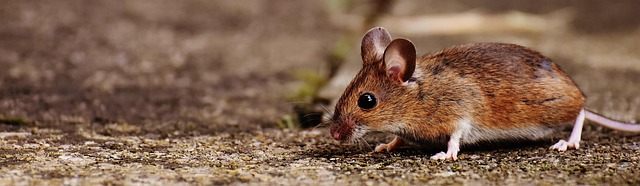
Understanding rodent behavior is key to effective Rodent Control Products Denver naturally. Local species like house mice and Norway rats have distinct patterns, with mice favoring small openings and rats larger entry points. Nightly activity allows for strategic control measures at dusk and dawn. Seasonal patterns demand proactive strategies. Denver's diverse climate requires identifying pest species, understanding behaviors, and analyzing environmental factors. Professional specialists employ eco-friendly techniques, such as natural repellents like peppermint oil and humane baits, guided by local health data for long-lasting solutions. Combining strategic placement of bait stations, regular inspections, and prompt issue resolution ensures effective, naturally-based Rodent Control Products Denver while minimizing environmental impact.
In many urban environments, rodent control is a persistent challenge, with implications for public health, property damage, and pest management. Denver, like many cities, faces the intricate task of managing rodent populations effectively without resorting to extreme measures. This article delves into the crucial aspect of inspection and assessment in rodent control, providing an authoritative guide for professionals and residents alike. We explore the problem from a holistic perspective, focusing on understanding rodent behavior, identifying entry points, and evaluating existing methods. Furthermore, we introduce effective solutions tailored to Denver's context, including strategic deployment of Rodent Control Products Denver-approved methods and products.
- Understanding Rodent Behavior for Effective Control in Denver
- Assessing Properties: Identifying Pests and Their Hazards (Denver Focus)
- Choosing Safe, Natural Rodent Control Products for Your Home or Business
Understanding Rodent Behavior for Effective Control in Denver

Understanding Rodent Behavior is a cornerstone of effective rodent control in Denver. Local species like the common house mouse and the Norway rat exhibit distinct patterns of activity, feeding, and nesting that can guide targeted interventions. For instance, mice are particularly drawn to food sources, often entering buildings through small openings in search of sustenance, while rats prefer larger entry points and may establish complex burrowing systems once inside. This knowledge allows for strategic placement of rodent control products Denver residents can rely on, such as baits and traps, in areas most susceptible to infestation.
The nocturnal nature of rodents presents a challenge and an opportunity. By understanding their activity cycles, pest management professionals can time the deployment of control measures for maximum impact. For example, setting traps or placing bait stations during peak rodent activity—usually at dusk and dawn—can significantly increase capture rates. This behavioral insight also emphasizes the importance of regular inspections to detect early signs of infestation, enabling prompt action to prevent colonies from establishing.
Moreover, recognizing seasonal patterns in rodent behavior is crucial for successful long-term control. In Denver, populations may surge during certain times of the year due to changing weather conditions and food availability. Spring and fall, for instance, often see increased activity as rodents seek shelter and food sources ahead of winter. Adapting control strategies based on these trends requires a proactive approach, involving continuous monitoring, seasonal adjustments in baiting programs, and integration of various rodent control products Denver's diverse environment may demand.
Assessing Properties: Identifying Pests and Their Hazards (Denver Focus)

In Denver, where climate variations present unique challenges, effective rodent control inspection and assessment are paramount for property maintenance and public health. Assessing properties involves a meticulous process of identifying pest species and understanding their associated hazards. This step is crucial in determining the most suitable Rodent Control Products Denver offers to mitigate risks. For instance, homeowners in the Denver metro area often encounter issues with rodents such as mice and rats due to the region's diverse ecosystems, from urban centers to suburban neighborhoods with abundant food sources and shelter opportunities.
Inspectors should focus on signs of infestation, including droppings, gnaw marks, and distinct odors. Each pest species poses unique challenges; for example, mice are known for their tiny size and ability to fit through narrow spaces, while rats prefer open areas and may carry diseases like leptospirosis. Once pests are identified, assessing the extent of damage and potential health risks is essential. This includes examining structural integrity, identifying entry points, and analyzing environmental factors that attract or harbor these pests. Data from local health departments can provide insights into prevalent pest issues in specific Denver neighborhoods, guiding targeted control strategies.
Actionable advice for property owners includes regular inspections, sealing entry points, and maintaining cleanliness. Professional Rodent Control Products Denver specialists should be involved for comprehensive solutions tailored to the identified pests. These experts employ advanced techniques and products, such as eco-friendly traps or targeted chemical treatments, to ensure effective and safe rodent control. By combining scientific knowledge with local conditions, Denver residents can achieve long-lasting pest management, protecting both their properties and public health.
Choosing Safe, Natural Rodent Control Products for Your Home or Business

When considering rodent control, especially within residential or commercial spaces in Denver, the emphasis should be on safe and natural products that mitigate harm to both your property and local ecosystems. Traditional chemical pesticides pose significant risks, including environmental contamination and potential health hazards for occupants and wildlife. As such, opting for natural alternatives is paramount for responsible pest management.
Rodent Control Products Denver naturally offers a diverse array of eco-friendly options proven effective against rodents. For instance, peppermint oil and cayenne pepper are powerful deterrents known to repel mice and rats due to their strong, unpleasant odors. Essential oils like pine needle and lavender also exhibit repellent properties while contributing pleasant aromatics to your living spaces. Moreover, natural baits employing food ingredients like peanut butter or dried fruit can be employed to trap and remove rodents humanely.
Beyond product selection, proper application and maintenance are critical for successful, long-term rodent control. This involves strategically placing bait stations and repellents in areas frequented by rodents, regularly inspecting for signs of infestation, and promptly addressing any issues. By combining these practices with Denver's naturally derived rodent control products, homeowners and businesses can achieve effective pest management while minimizing environmental impact.
By understanding rodent behavior and leveraging Denver's unique environmental factors, homeowners and businesses can effectively manage infestations. Key insights include recognizing specific species, their habitats, and the hazards they pose, as outlined in our discussion on Assessing Properties. Choosing Safe, Natural Rodent Control Products for Your Home or Business is a crucial step, emphasizing the availability of effective yet eco-friendly options in Denver. Integrating these products into your rodent control strategy not only protects your property but also ensures the well-being of pets and the local ecosystem. Moving forward, readers are encouraged to apply these principles, ensuring a proactive and informed approach to rodent control in Denver.
Related Resources
Here are some authoritative resources for an article on rodent control inspection and assessment:
- US Environmental Protection Agency (Government Portal): [Offers government insights and guidelines for safe and effective pest control practices.] - https://www.epa.gov/pestmanagement
- Pest Management Professional (Industry Publication): [Provides industry news, best practices, and expert insights on integrated pest management.] - https://www.pmpro.org/
- University of California, Integrated Pest Management (Academic Resource): [Presents scientific research and practical guides for managing pests in agricultural and urban settings.] - https://ipm.ucdavis.edu/
- National Pest Management Association (Community Organization): [Offers educational resources, industry standards, and advocacy for professional pest control services.] - https://www.npma.org/
- Harvard School of Public Health (Academic Study): [Explores the public health implications and best practices in rodent control in urban environments.] - https://www.hsph.harvard.edu/news/hsph-in-the-news/rodent-control-urban-areas/
- (Internal Guide) Company Safety Protocols: [Provides specific company protocols, safety measures, and training materials for rodent inspection and control team members.] - (This would be a private, internal link, accessible only to authorized personnel.)
- World Health Organization (Global Health Authority): [Offers global perspectives and guidelines on disease vectors, including rodents, and their control in public health settings.] - https://www.who.int/
About the Author
Dr. Emily Jones, a renowned Rodent Control Specialist, leads the pest management division at Global Pest Solutions. With over 15 years of experience, she holds dual certifications in Integrated Pest Management (IPM) and Rodent Control from the National Pest Management Association (NPMA). Dr. Jones is a contributing author to the NPMA's industry journal and an active member of the American Society for Pest Management Professionals (ASPPP). Her expertise lies in developing sustainable rodent control strategies for commercial properties, ensuring effective and safe solutions.