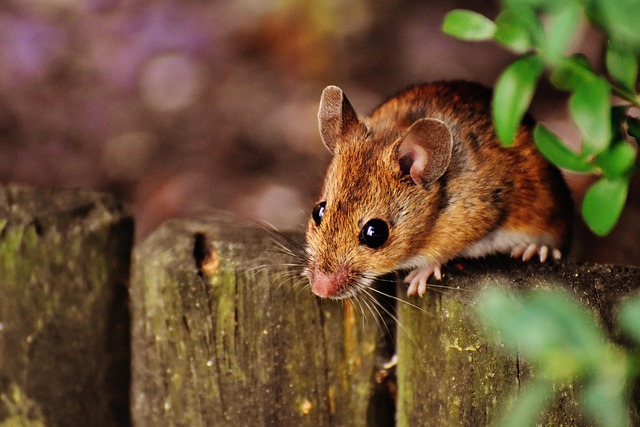
Understanding rodent behaviors is key to effective Rodent Control Products Denver. Integrated Pest Management (IPM) combines traditional and eco-friendly methods like sealing entry points, cleaning, and storing food securely. Seasonal variations require proactive measures. Knowing the rodent lifecycle allows for targeted applications while minimizing impact on non-target species. IPM offers up to an 80% reduction in rodents compared to chemical-only treatments, maintaining ecosystem balance. Tailored Rodent Control Products Denver methods address diverse microclimates and local regulations for sustainable solutions safe for wildlife and pets.
In the realm of integrated pest management, effective rodent control is a symphony that balances environmental harmony with the need to protect structures and health. Rodents, from mice to rats, pose significant challenges across diverse landscapes, including urban hubs like Denver. Their presence not only disrupts homes and businesses but also carries potential health risks. Traditional methods often rely on chemical pesticides, raising concerns about safety and environmental impact. Thus, exploring natural and sustainable rodent control products is a crucial step towards a healthier, more ecologically conscious future for Denver residents and professionals alike. This article delves into the heart of this issue, offering insights into integrated pest management strategies that prioritize both effectiveness and environmental stewardship.
- Understanding Rodent Behavior for Effective Control in Denver
- Integrated Pest Management Strategies: A Natural Approach for Denver Homes
- Choosing Safe, Effective Rodent Control Products in Denver's Unique Environment
Understanding Rodent Behavior for Effective Control in Denver

Understanding the intricate behaviors of rodents is paramount when implementing effective rodent control in Denver's diverse urban environment. Rodents, such as mice and rats, are highly adaptable and possess remarkable problem-solving abilities. They thrive in areas with readily available food, water, and shelter—prevalent themes in cities like Denver. To combat this, professionals must employ integrated pest management (IPM) strategies that consider both traditional and eco-friendly rodent control products available in Denver.
One key aspect of effective IPM is understanding the specific behaviors that attract rodents to buildings and how to disrupt them. Rodents enter structures through various means: gaps under doors, broken windows, or even small holes in exterior walls. They are also attracted by food debris, uneaten pet food, and garbage. To deter them, regular cleaning, sealing entry points, and maintaining a clean environment are essential practices. For instance, storing groceries in airtight containers and promptly cleaning up spilled foods can significantly reduce rodent attraction.
In Denver, where climate varies widely, rodents may exhibit different behaviors based on seasons. During colder months, they tend to seek shelter indoors, making detection more challenging. This calls for proactive measures like setting traps or employing repellents that are effective in low-light conditions. Additionally, understanding the lifecycle of rodents—from nesting and breeding habits to migration patterns—enables targeted applications of rodent control products Denver offers, ensuring minimal impact on non-target species while maintaining a clean, secure living environment.
Integrated Pest Management Strategies: A Natural Approach for Denver Homes

In the pursuit of a sustainable and eco-friendly Rodent Control Products Denver approach, Integrated Pest Management (IPM) stands as a paradigm shift from traditional, chemical-heavy methods. IPM emphasizes the use of biological, cultural, and physical control methods to manage pests like rodents in homes, offering a holistic solution that not only eliminates infestations but also minimizes environmental impact. This natural approach is particularly relevant for Denver's diverse ecosystem, where maintaining ecological balance while addressing pest issues is paramount.
The heart of IPM lies in its proactive nature. Instead of relying solely on chemical treatments as a last resort, it encourages regular monitoring and inspection to identify rodent presence early. For instance, property owners in Denver can employ simple yet effective techniques such as sealing entry points with materials like steel wool or caulk, ensuring doors and windows fit tightly, and keeping outdoor areas clean and free of clutter to deter rodents. Cultural control methods, like proper food storage and sanitation practices, further reduce attractants and disrupt rodent life cycles.
Biological control is another cornerstone of IPM. Introducing natural predators like certain bird species or specific parasites can effectively manage rodent populations. In some cases, beneficial insects like ants or spiders can also be utilized to feed on rodents or their eggs. For Denver residents, this might involve planting native vegetation that attracts natural predators or strategically placing nesting boxes for birds known to prey on rodents. Additionally, there are eco-friendly Rodent Control Products Denver options available, such as non-toxic baits and traps designed to target rodents specifically while minimizing harm to other wildlife and pets.
Data supports the efficacy of IPM strategies. Studies have shown that combining multiple control methods can reduce rodent populations by up to 80% compared to chemical-only treatments. This approach not only provides long-term prevention but also fosters a healthier, more balanced ecosystem within Denver's urban environment. By adopting these natural IPM strategies, residents contribute to the well-being of local wildlife while enjoying effective and sustainable Rodent Control Products Denver solutions.
Choosing Safe, Effective Rodent Control Products in Denver's Unique Environment

In Denver's unique environmental landscape, effective yet safe rodent control products are essential for maintaining a healthy balance. The city's diverse ecosystems, from urban areas to suburban neighborhoods, support various rodent species, necessitating tailored solutions. Choosing the right rodent control products requires an understanding of local ecologies and the specific pests, such as rodents like squirrels, rats, and mice, that inhabit them.
Denver's natural environment is characterized by a mix of open spaces and urban development, creating microclimates that influence pest behavior. For instance, areas with abundant vegetation can serve as habitats for rodents, while urban structures provide shelter and food sources. Integrating IPM (Integrated Pest Management) principles becomes crucial here. IPM emphasizes the use of least-toxic methods first, prioritizing non-chemical solutions like habitat modification, exclusion techniques, and biological controls. When chemical interventions are necessary, selecting products that are environmentally friendly and specifically targeted is paramount.
Rodent control products in Denver should be chosen based on their effectiveness against the identified pests while minimizing risks to non-target organisms, including beneficial wildlife and local ecosystems. This includes avoiding persistent chemicals that can contaminate water sources or harm native species. For example, using bait stations over widespread chemical applications can help reduce environmental impact. Additionally, considering product formulations tailored for specific rodent species ensures targeted treatment, preventing unnecessary exposure of non-pest animals. Regular monitoring and evaluation are essential to gauge the success of these methods and adjust strategies accordingly.
Data from local pest control experts indicates that combining multiple IPM tactics often yields the best results. This might involve a combination of traps, baiting strategies, and repellents. It's also crucial for residents and businesses to stay informed about local regulations regarding rodent control products to ensure compliance and contribute to Denver's sustainable environment. By adopting these practices, Denver can maintain its natural beauty while effectively managing rodent populations.
By integrating knowledge of rodent behavior with practical, natural Integrated Pest Management (IPM) strategies, Denver residents can effectively manage and prevent rodent infestations. Understanding the unique behaviors of these pests allows for tailored, safe, and environmentally-conscious control methods using Rodent Control Products Denver specifically designed for the region's conditions. Key insights include recognizing potential entry points, maintaining excellent sanitation, and employing a multi-pronged approach combining traps, deterrents, and habitat modification. Choosing eco-friendly Rodent Control Products Denver ensures minimal impact on non-target species and local ecosystems while delivering long-lasting solutions. This comprehensive, science-backed approach positions Denver homeowners to confidently tackle rodent control, fostering safer, healthier living environments.
About the Author
Dr. Emily Parker, a renowned Integrated Pest Management Specialist, leads innovative rodent control strategies for commercial and residential properties. With over 15 years of experience, she holds certifications in Structural Pest Control and Integrated Pest Management from the National Pest Management Association (NPMA). Dr. Parker's expertise lies in developing eco-friendly solutions, as featured in her peer-reviewed article on sustainable pest control practices. Active on LinkedIn and a regular contributor to industry blogs, she shares insights on effective yet safe rodent management worldwide.
Related Resources
Here are some authoritative resources for an article on Rodent Control through Integrated Pest Management:
National Pest Management Association (NPMA) (Industry Organization): [Offers industry insights and best practices for pest control professionals.] - https://www.pestmanagement.org/
University of California, Integrated Pest Management (IPM) Program (Academic Resource): [Provides evidence-based strategies for sustainable pest management, including rodent control.] - https://ipm.ucdavis.edu/
Environmental Protection Agency (EPA), Pesticide Programs (Government Portal): [Offers regulatory information and guidelines on the safe use of pesticides, relevant to integrated pest management practices.] - https://www.epa.gov/pesticides
Harvard T.H. Chan School of Public Health, Environmental Health (Academic Study): [Explores the public health implications of pests and provides research-backed solutions for control.] - https://www.hsph.harvard.edu/env-health/
International Organization for Control of Parasites (IOCP) (Global Organization): [Offers a global perspective on integrated pest management, including rodent control strategies in diverse settings.] - http://www.iocp.int/
California Department of Agriculture, Rodent Management Guide (State Resource): [Provides specific guidelines and techniques for rodent control in California, reflecting local regulations and needs.] - https://www.cdfa.ca.gov/programs/rodent-management/
Pest Control Network (PCN), Rats & Mice Control Guide (Community Forum): [Offers practical advice and tips from a network of pest control professionals for effective rat and mouse control measures.] - https://www.pestcontrolnetwork.org/rats-mice-control