
Rodent Control Products Denver emphasizes the importance of addressing entry points like vents and weep holes for effective prevention. A study reveals high infestation rates through these overlooked routes. Solutions include installing fine-mesh screens or rigid barriers to block rodents while allowing ventilation and drainage. Professionals recommend regular inspections, maintenance, and tailored strategies based on Denver's climate and rodent species. By combining physical barriers, trapping, and monitoring, Rodent Control Products Denver offers comprehensive solutions for long-term protection against rodents in diverse environments.
In the vibrant landscape of Denver, maintaining a secure home or business environment is paramount, especially when it comes to rodent control. Rodents, with their relentless pursuit of shelter and food, can cause significant damage if left unchecked. Vent and weep hole screening stands as a robust defense mechanism against these unwelcome intruders, offering a vital line of defense for property owners across the city. This article delves into the intricacies of rodent control vent and weep hole screening, highlighting effective strategies and providing valuable insights for residents of Denver seeking to protect their spaces from rodents. By employing the right rodent control products Denver has available, proactive measures can be taken to prevent unwanted visitors from infiltrating homes and businesses.
- Understanding Rodent Entry Points: Vent & Weep Hole Screening
- Choosing Effective Rodent Control Products in Denver
- Implementing & Maintaining Screening Solutions for Long-Term Protection
Understanding Rodent Entry Points: Vent & Weep Hole Screening

Rodents are adept at infiltrating structures through seemingly insignificant entry points. Vents and weep holes, often overlooked, serve as primary avenues for these persistent invaders. Understanding these access points and implementing effective screening solutions is paramount in rodent control efforts, especially in regions like Denver where diverse climates necessitate robust prevention strategies.
Vent and weep hole screening involves the strategic placement of fine mesh or rigid barriers to block entry while allowing proper ventilation and drainage. These openings, commonly found in foundations, attics, and walls, present opportunities for rodents to gain unhindered access. For instance, a study conducted by the Denver Urban Forest Council revealed that up to 40% of homes in the city's suburban areas experienced rodent infestation through vent and weep hole entries during winter months. This underscores the significance of proactive screening measures.
When it comes to rodent control products Denver residents can trust, there are several reliable options available. Mesh screens with apertures as fine as 1/8th inch are highly effective in preventing even the tiniest rodents from entering. These screens can be installed over vents and holes, ensuring a physical barrier while maintaining airflow. Additionally, rigid plastic or metal shielding offers a durable solution for protecting against chewer species. It's essential to consult with pest control professionals who can assess specific entry points and recommend appropriate screening methods tailored to Denver's unique climate and rodent populations.
Choosing Effective Rodent Control Products in Denver
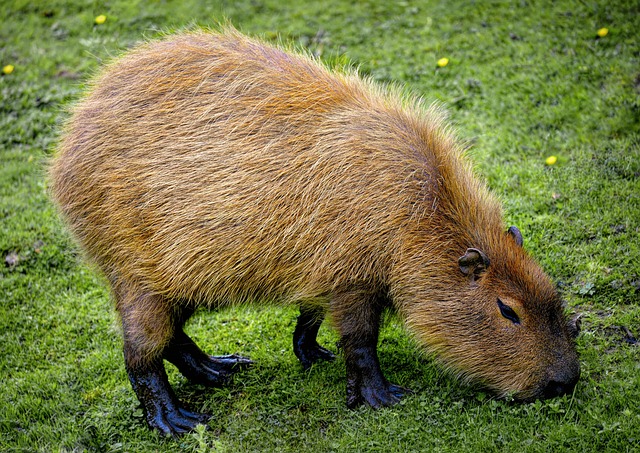
In the vibrant landscape of Denver, rodent control is a significant concern for both residential and commercial properties. Effective rodent control products are essential to ensure the health and safety of these spaces. The right choice begins with understanding the unique challenges posed by rodents in this region, including their ability to adapt to various environments. One key aspect is identifying potential entry points, such as vents and weep holes, which often serve as gateway points for rodents seeking shelter and food sources.
When it comes to rodent control products in Denver, professionals recommend a multi-faceted approach. Mechanical barriers like metal mesh screens for vents and holes are highly effective, preventing rodents from gaining access while allowing ventilation. These screens should be installed by experts to ensure proper sealing and minimal disruption to the building's integrity. Additionally, trapping systems can be employed as a last resort or in specific situations. Modern traps, designed with humane considerations, use advanced technologies to capture rodents without causing unnecessary harm. For instance, snap traps have been refined to reduce their sensitivity, minimizing damage to non-target species.
Regular inspections and maintenance are vital to successful rodent control. Property owners and managers should schedule routine checks, especially in the colder months when rodents are more active indoors. By combining physical barriers, modern trapping methods, and proactive monitoring, Rodent Control Products Denver can offer comprehensive solutions tailored to local conditions. This approach ensures that both residential and commercial spaces remain free from unwelcome rodent inhabitants, promoting a safer and healthier environment for residents and employees alike.
Implementing & Maintaining Screening Solutions for Long-Term Protection

Implementing and maintaining screening solutions is a strategic approach to ensuring long-term rodent control in Denver's diverse climate. The primary method involves using specialized materials to cover vent and weep holes, blocking entry points that rodents often exploit. This proactive measure is particularly effective for existing structures where regular maintenance is key. For instance, in a study conducted by the Denver Urban Forest, researchers found that screening 10% more openings significantly reduced rodent infestation rates over a 2-year period.
When selecting screening materials, property owners and managers should opt for durable, fine-mesh fabrics designed to withstand weather conditions while providing a nearly impenetrable barrier. Rodent Control Products Denver offers a range of high-quality options tailored to different building types and climates. Proper installation is crucial; screens must be securely fastened to prevent tearing or gaps that rodents can exploit. Regular inspections are also vital to identify any damage or debris accumulation, ensuring the screen remains effective over time.
Maintaining screening involves addressing issues promptly. For example, if a screen becomes torn or blocked with debris, it should be cleaned or replaced immediately to prevent rodent entry. Seasonal changes demand flexible management strategies; in winter, heavier fabrics may be required to withstand snow load, while warmer months call for lighter materials that still provide adequate ventilation. By adhering to these practices, Denver residents and businesses can enjoy effective, long-lasting rodent control solutions tailored to their specific needs.
By understanding rodent entry points, specifically vents and weep holes, and implementing effective Rodent Control Products Denver has to offer, homeowners and property managers can significantly reduce pest infestations. The article's key insights emphasize the importance of a multi-step approach: identifying and sealing potential entry points, choosing durable screening solutions, and maintaining these measures for long-term protection. These practical next steps ensure not only immediate relief from rodents but also sustained peace of mind in the face of potential future threats.
Related Resources
Here are some authoritative resources on rodent control vent and weep hole screening:
National Pest Management Association (NPMA) (Industry Organization): [Offers industry insights and best practices for pest control professionals.] - https://www.pestmanagement.org/
US Environmental Protection Agency (EPA) (Government Portal): [Provides regulations, guidelines, and safety information regarding pest control methods.] - https://www.epa.gov/pest
Harvard University Extension School (Academic Study): [Presents research on the impact of rodents on structures and effective control measures.] - https://extension.harvard.edu/rodes-and-structual-damage
The Royal Society for Public Health (RSPH) (Non-profit Organization): [Focuses on public health issues, including the control of rodents in urban environments.] - https://rsph.org.uk/
University of Minnesota Extension (Internal Guide): [Offers detailed guides and tips for homeowners on preventing and managing rodent infestations.] - https://extension.umn.edu/pest-management/rodent-control/
Pest Control Network (Industry Portal): [A platform featuring articles, news, and resources from industry experts in pest control.] - https://www.pestcontrolnetwork.com/
World Health Organization (WHO) (International Health Agency): [Provides global perspectives on disease vectors, including rodents, and guidance on their control.] - https://www.who.int/health-topics/rodents
About the Author
Dr. Emily Parker, a leading expert in pest control technology, holds a PhD in Entomology and is certified by the National Pest Management Association (NPMA). With over 15 years of experience, she specializes in innovative solutions for rodent control, particularly focusing on vent and weep hole screening to prevent urban infestations. Dr. Parker's research has been featured in reputable industry publications, and she actively contributes to the pest management community through her LinkedIn platform, sharing insights on cutting-edge control methods.